John Graves Shedd (July 20, 1850 – October 22, 1926) was the second president, and chairman of the board, of Marshall Field & Company.
Shedd was a civic leader and founding member of the Commercial Club of Chicago, which continues to play an active role in the city’s efforts to maintain itself as a world-class metropolis. One of the Commercial Club’s most notable undertakings was the sponsorship of Edward Bennett and Daniel Burnham’s Plan of Chicago, which was released in 1909 and which to this day is considered to be one of the most important urban planning documents ever created.
One of Chicago’s major philanthropists, he contributed extensively to Chicago charities, universities and museums, and in the early 1920s he provided $3 million to build Chicago’s Shedd Aquarium, as a complement to The Field Museum (founded in 1893 as a part of the World’s Columbian Exposition and renamed in honor of Marshall Field in 1905) and The Art Institute of Chicago (whose current building was also a product of the 1893 World’s Columbian Exposition). Completed in 1930, the Shedd Aquarium remained the world’s largest aquarium for most of the century.
In 1920, Shedd provided the funds for the construction of the Shedd-Porter Memorial Library in Alstead, New Hampshire.
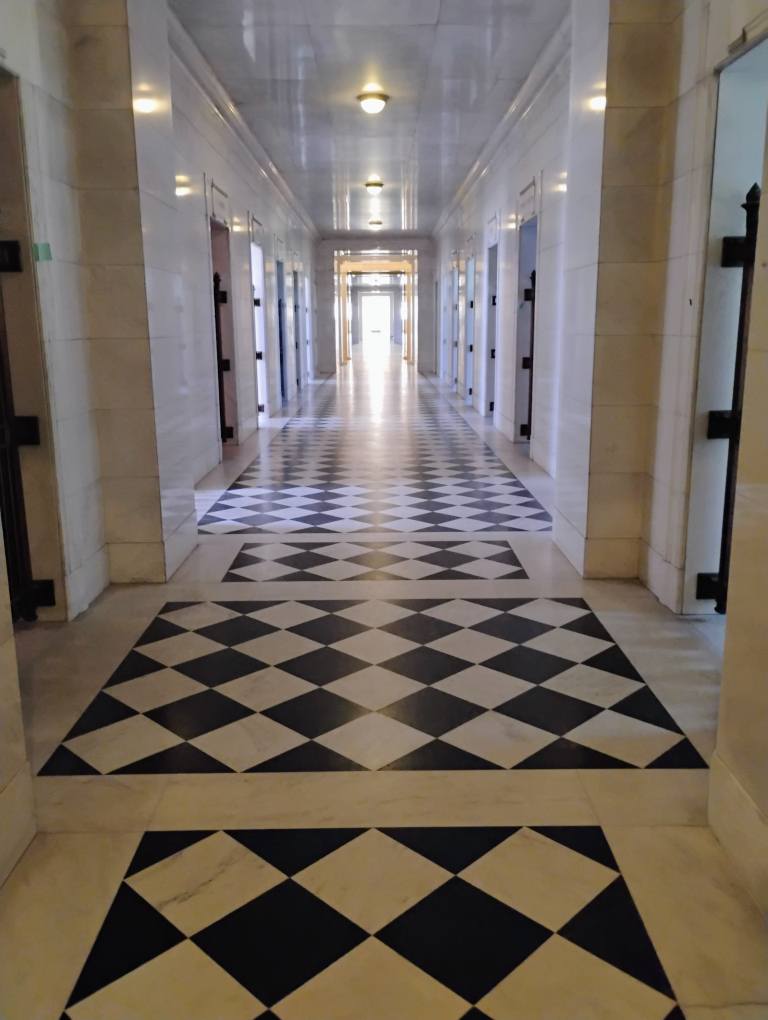
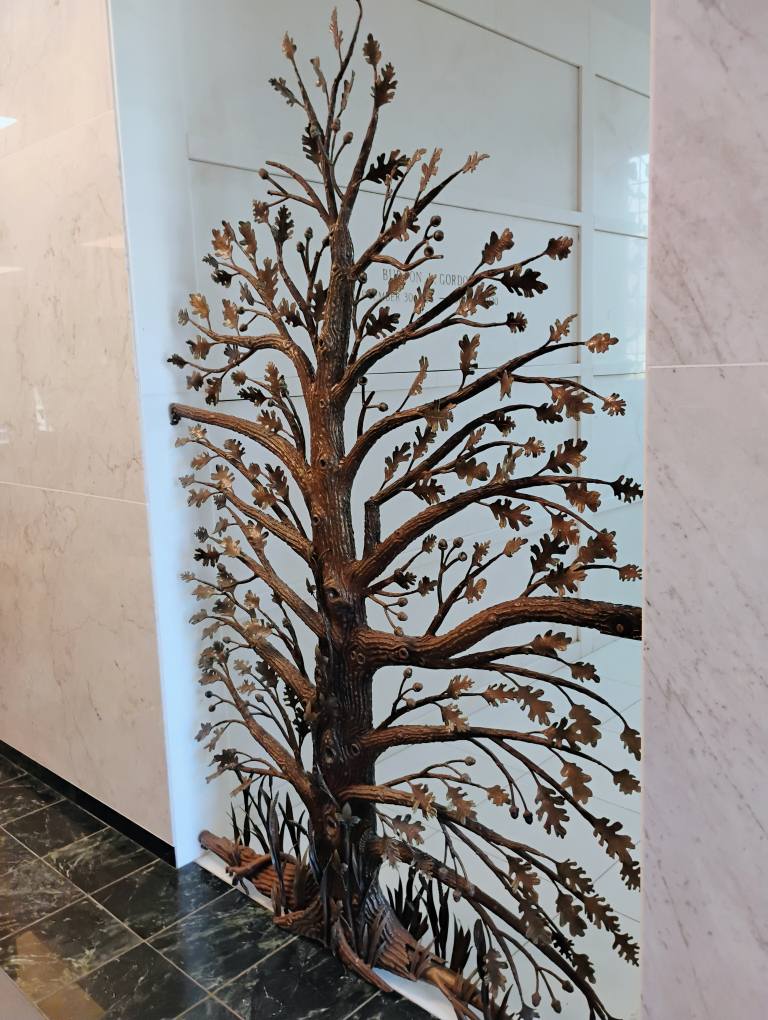
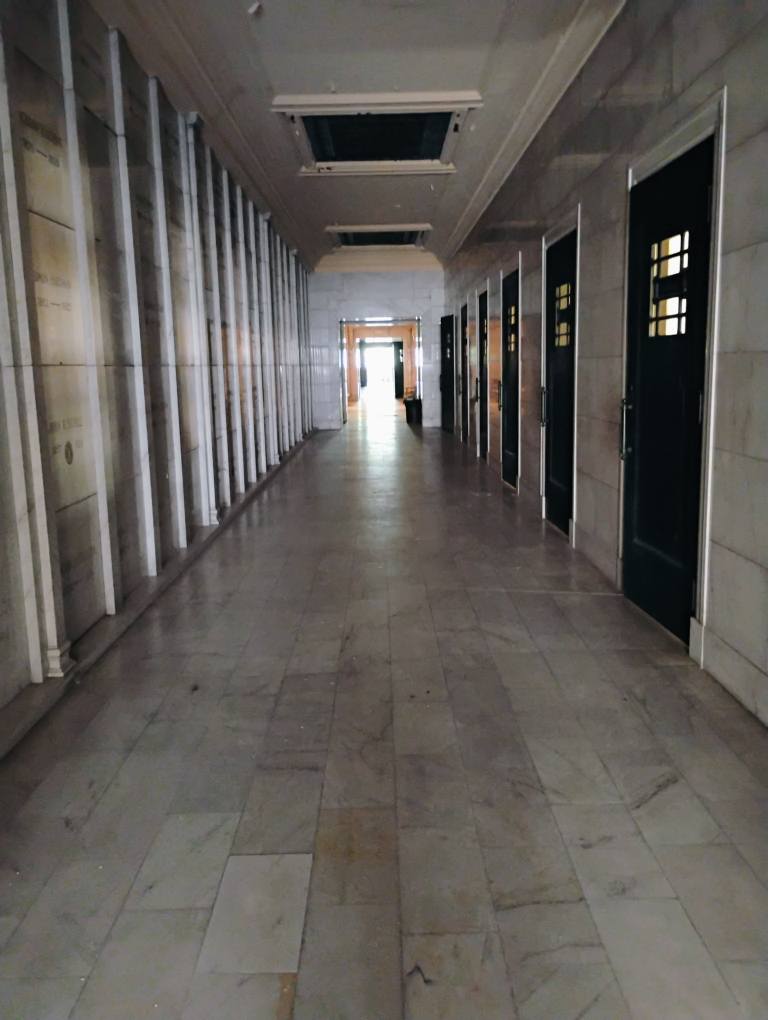
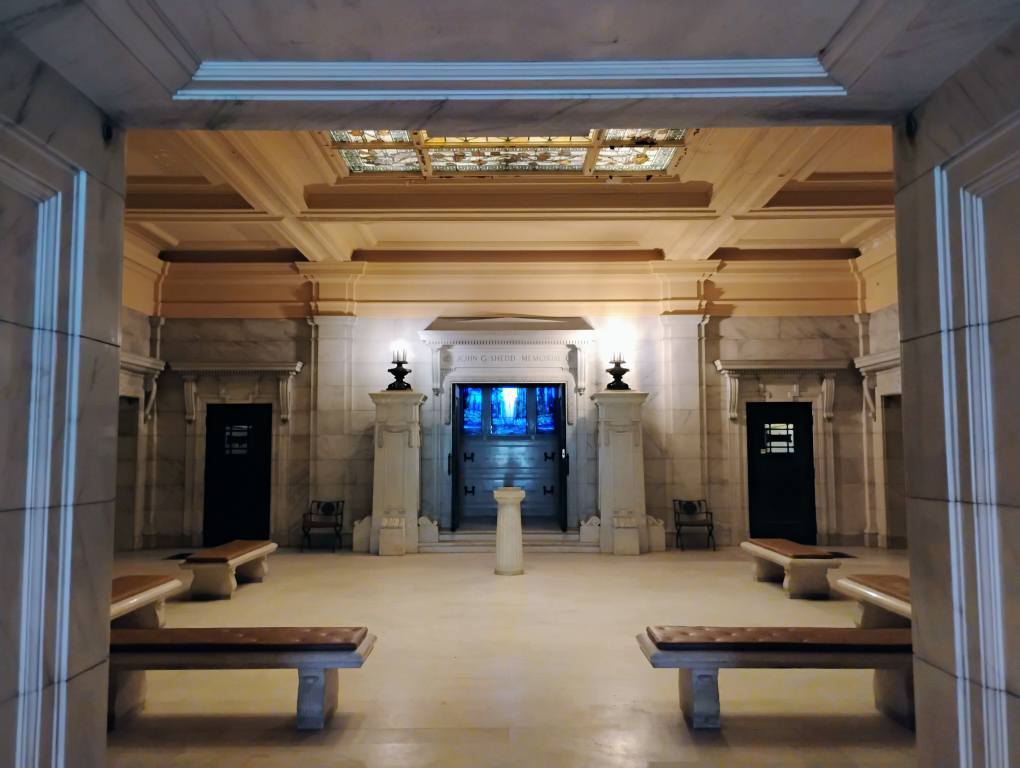
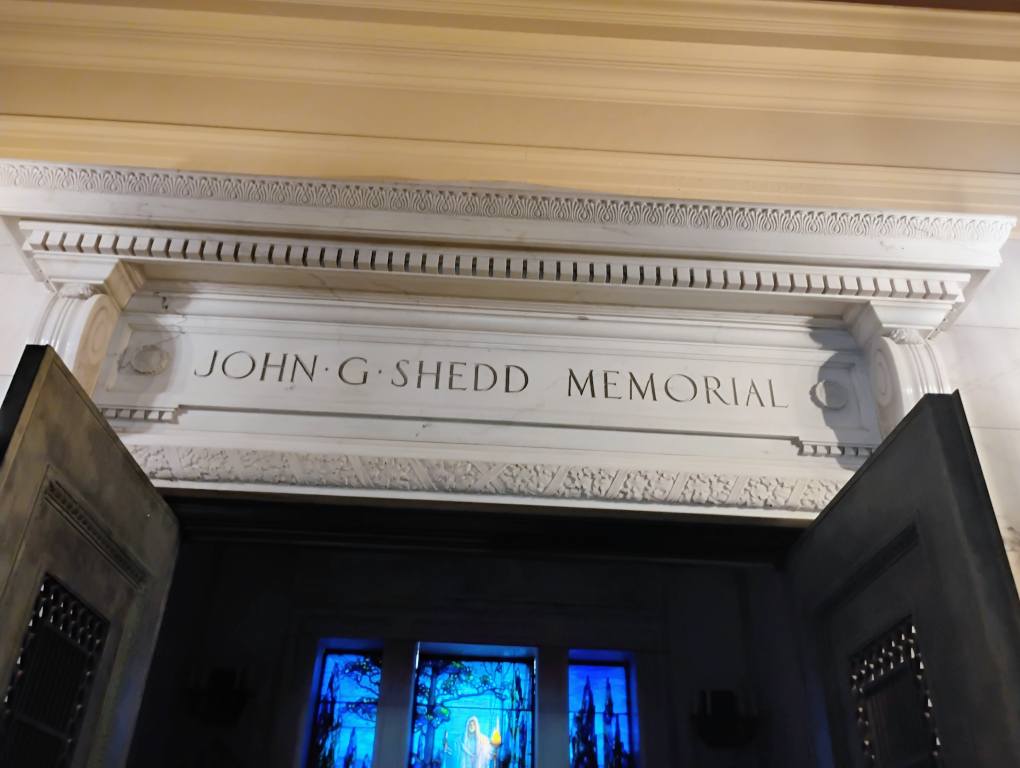
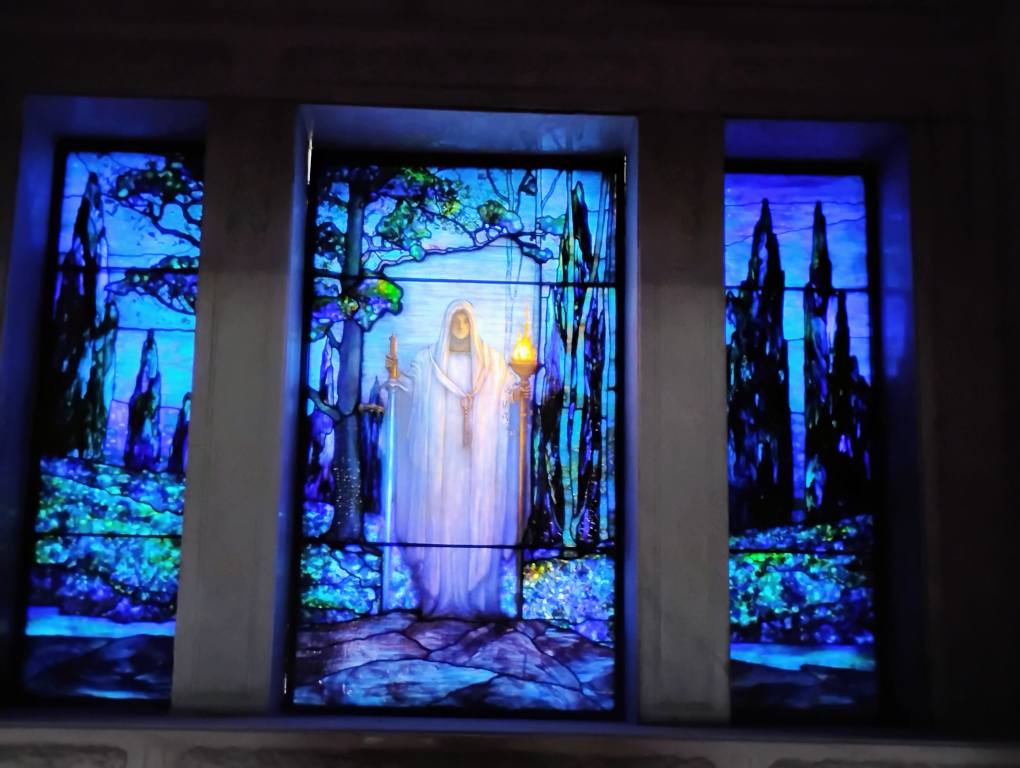
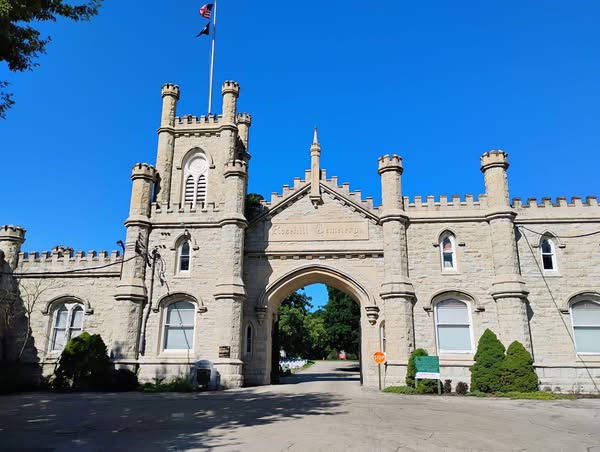
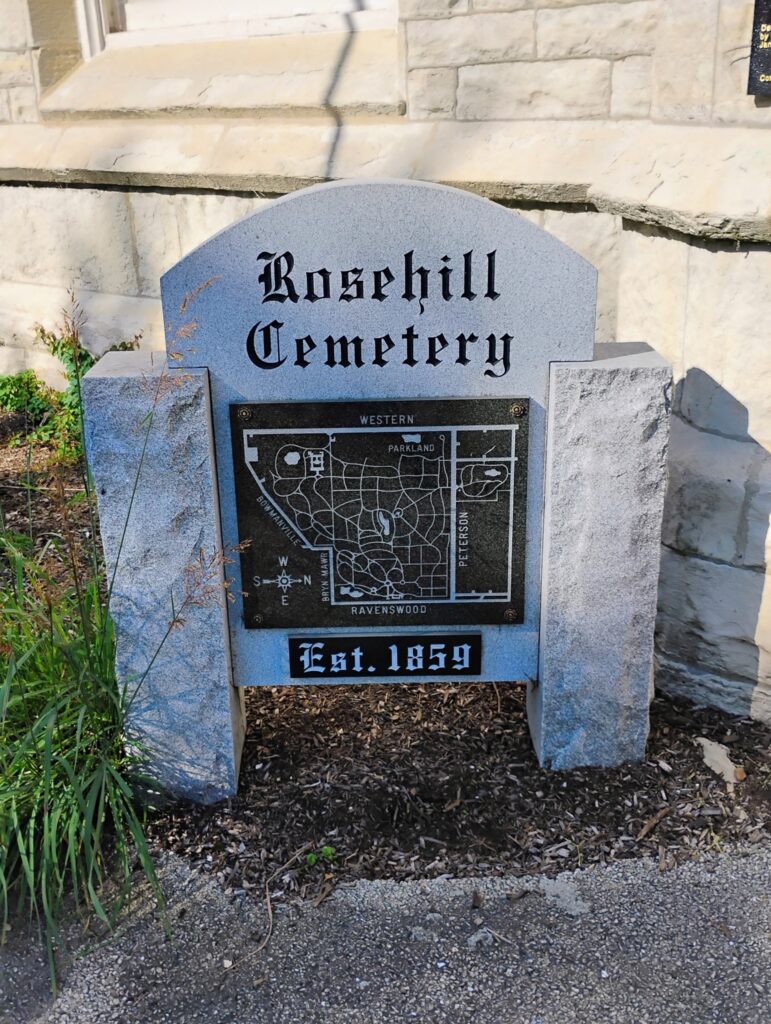
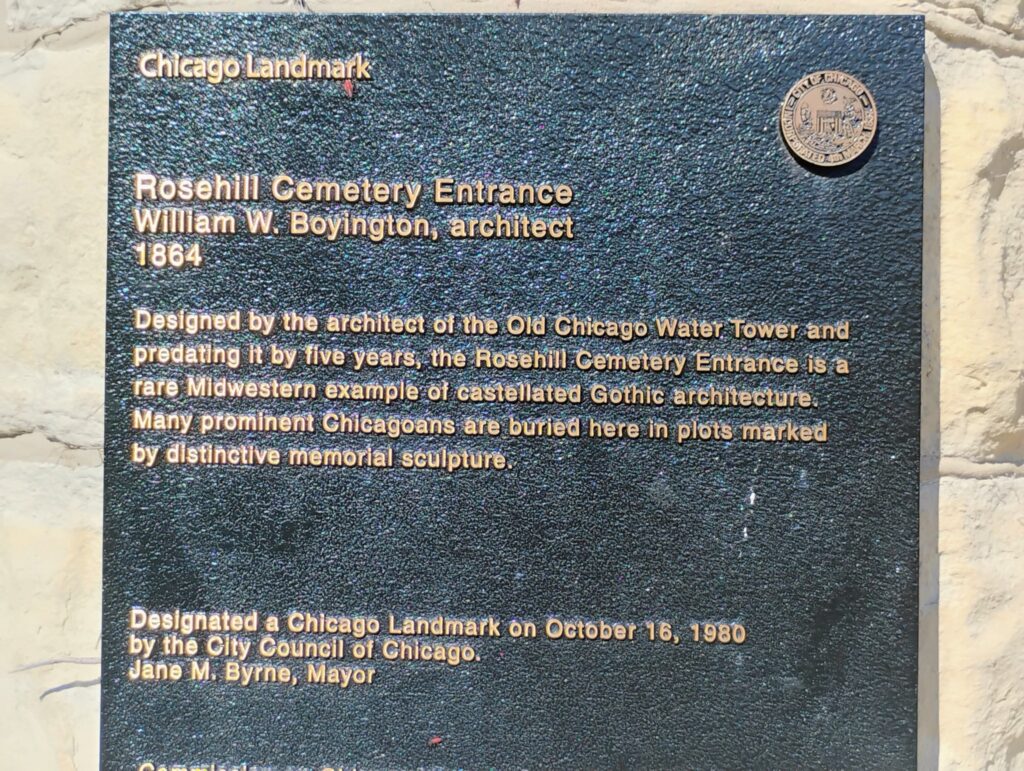
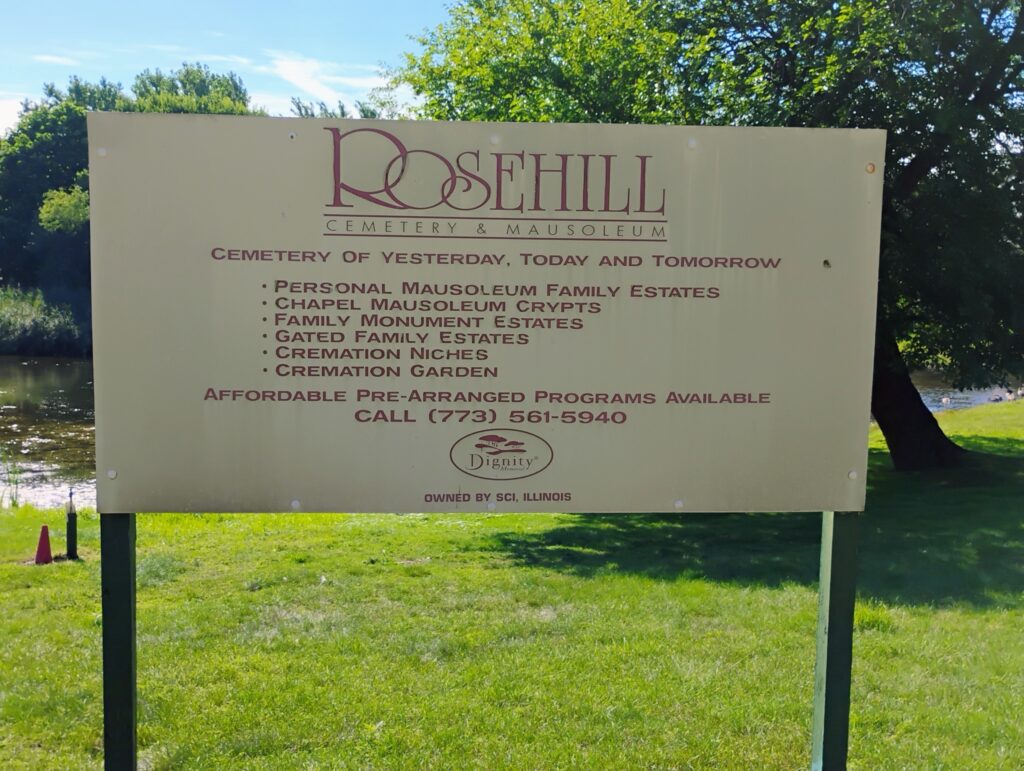
He died of appendicitis in Chicago on October 22, 1926. He was interred at Rosehill Mauseoleum in Rosehill Cemetery.
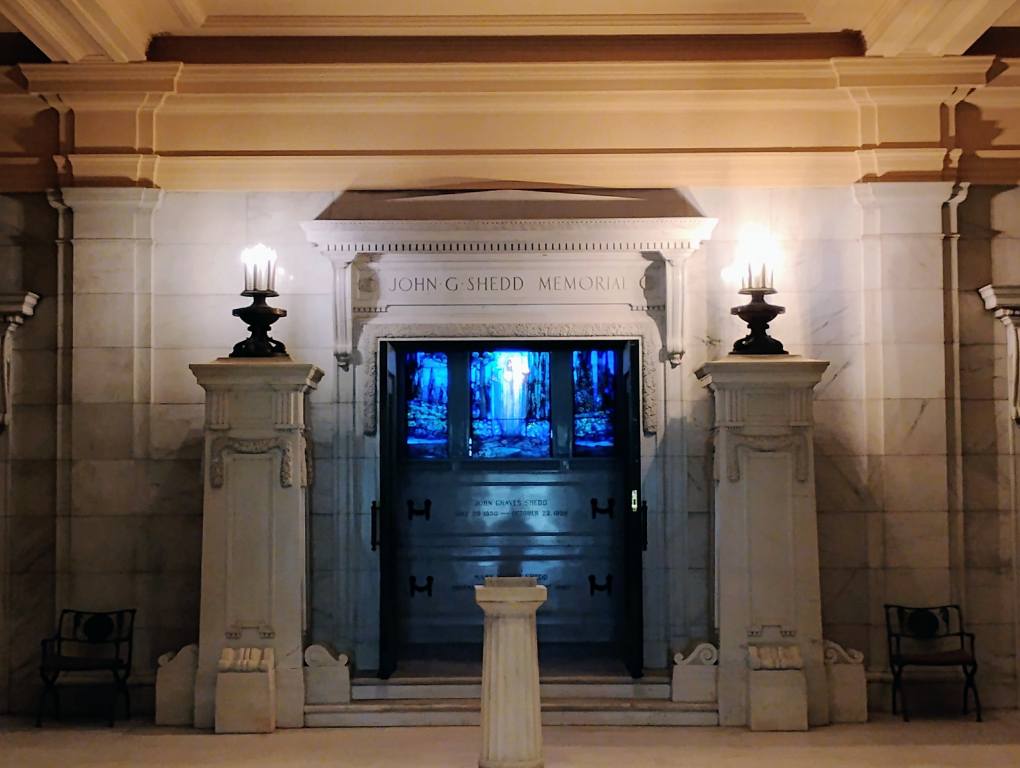
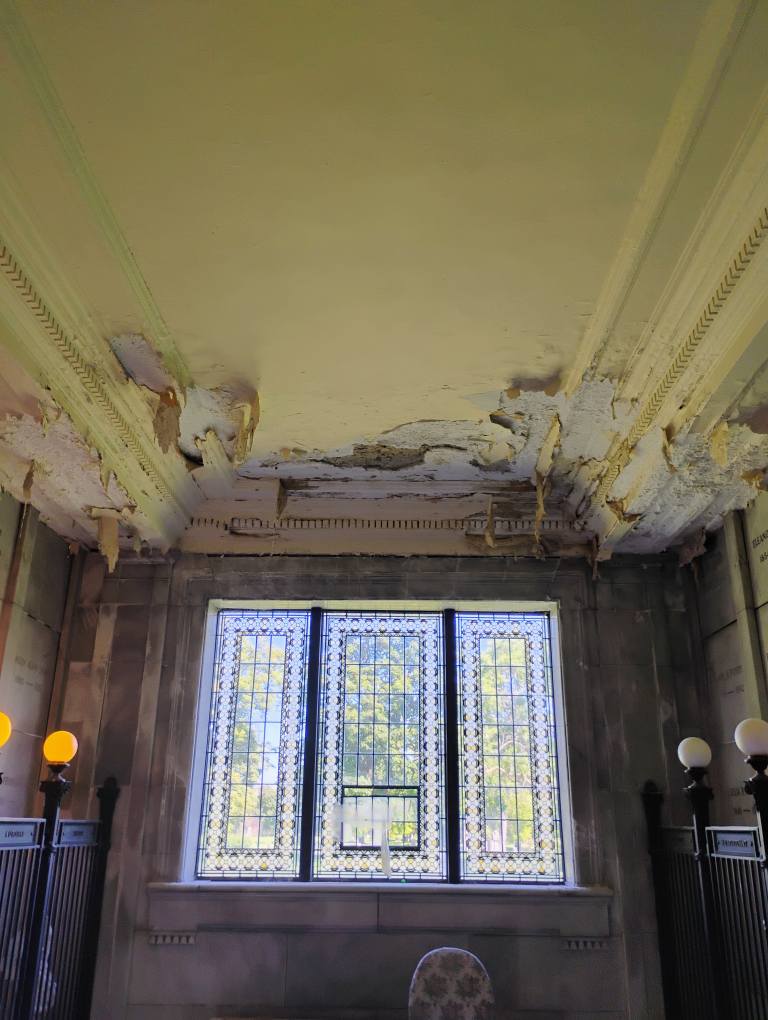
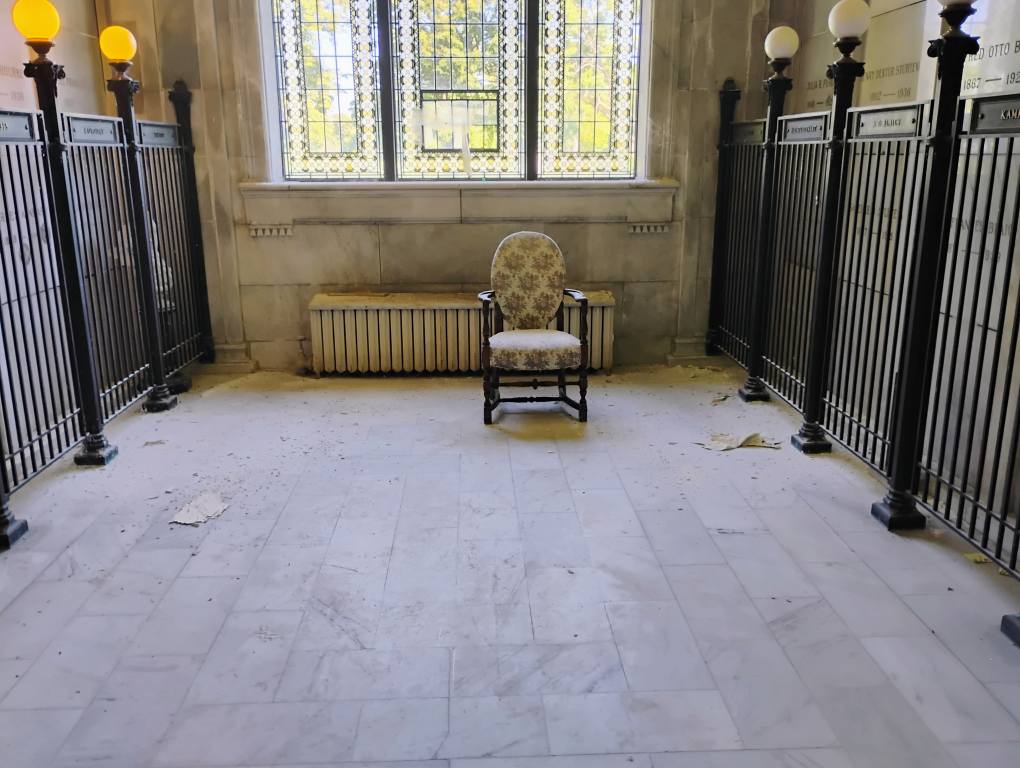
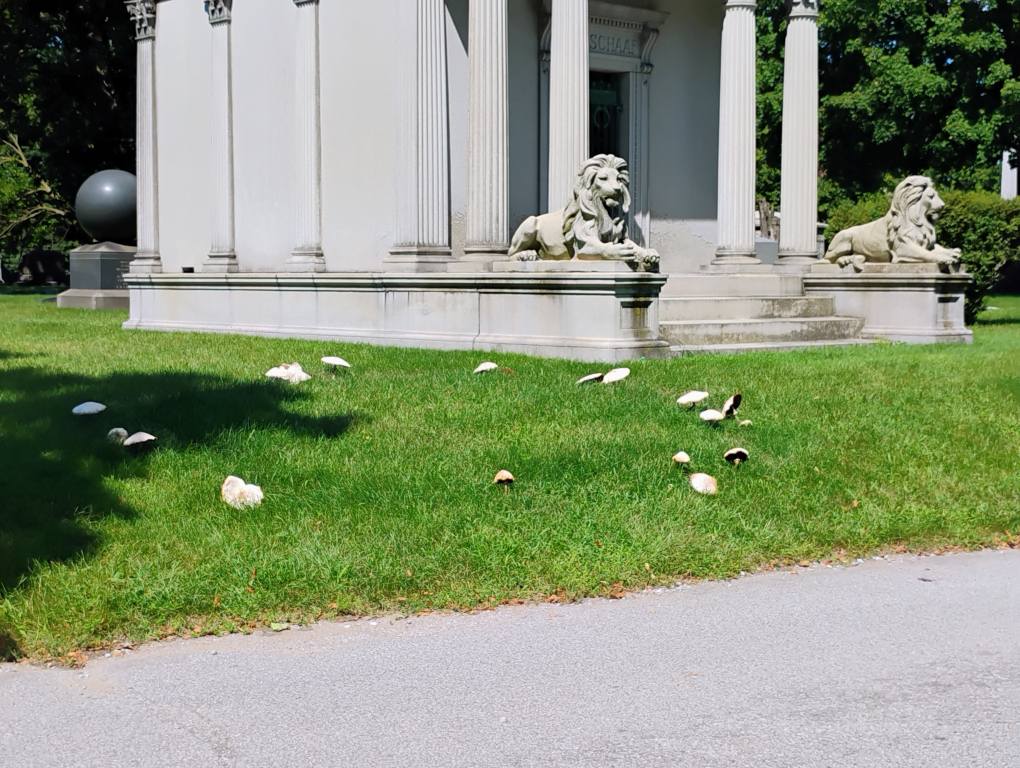
Saturday August 23, 2025 9 AM CST. Mission accomplished in one day. Shedd, Sears and Montgomery Ward. Plus a bonus Ignaz Schwinn founder of the Schwinn Bicycle Company. After my adventure I went to teh administrative office to meet the manager on duty.
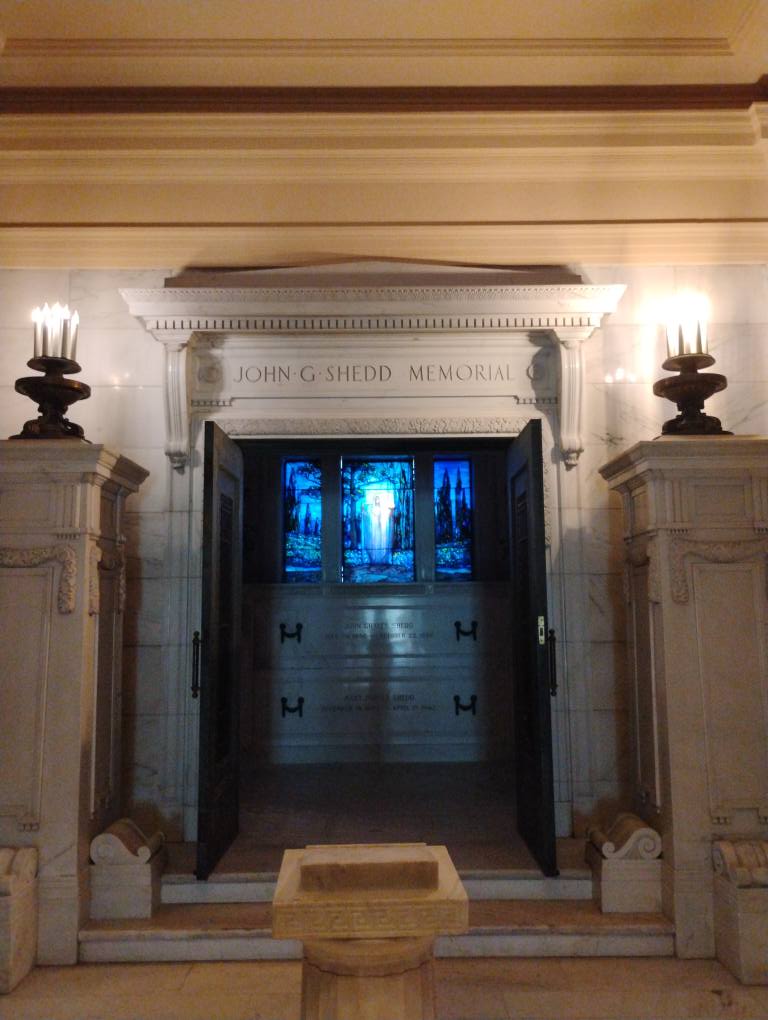
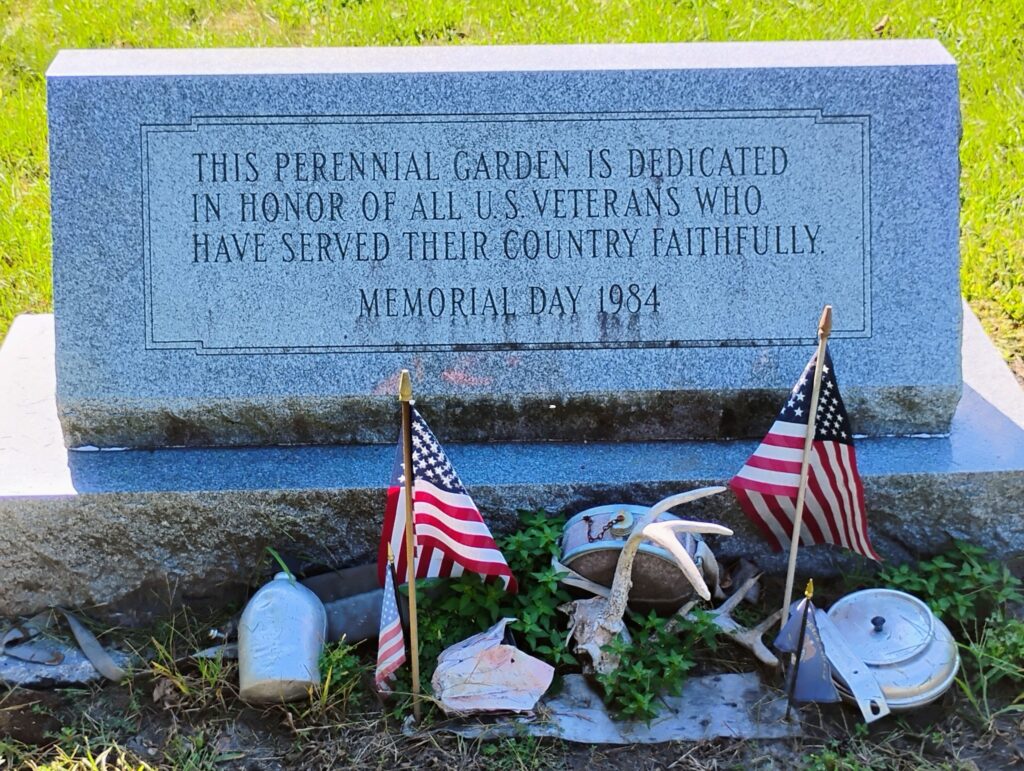
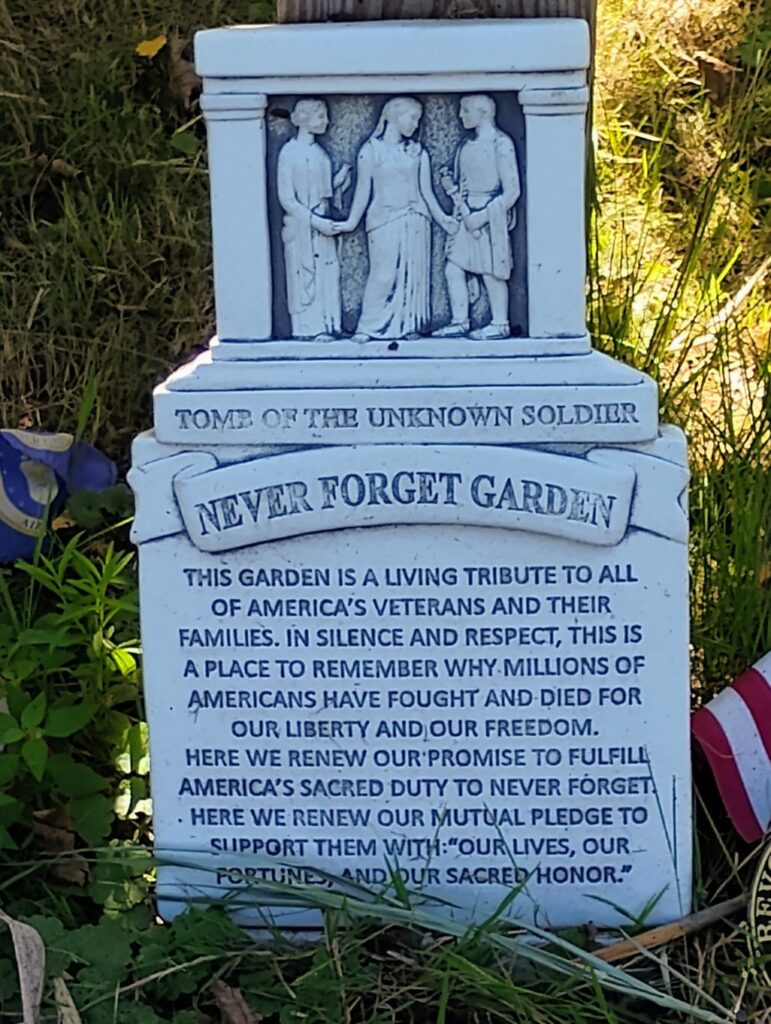
All good in theory but how soon they seemed to have forgotten.
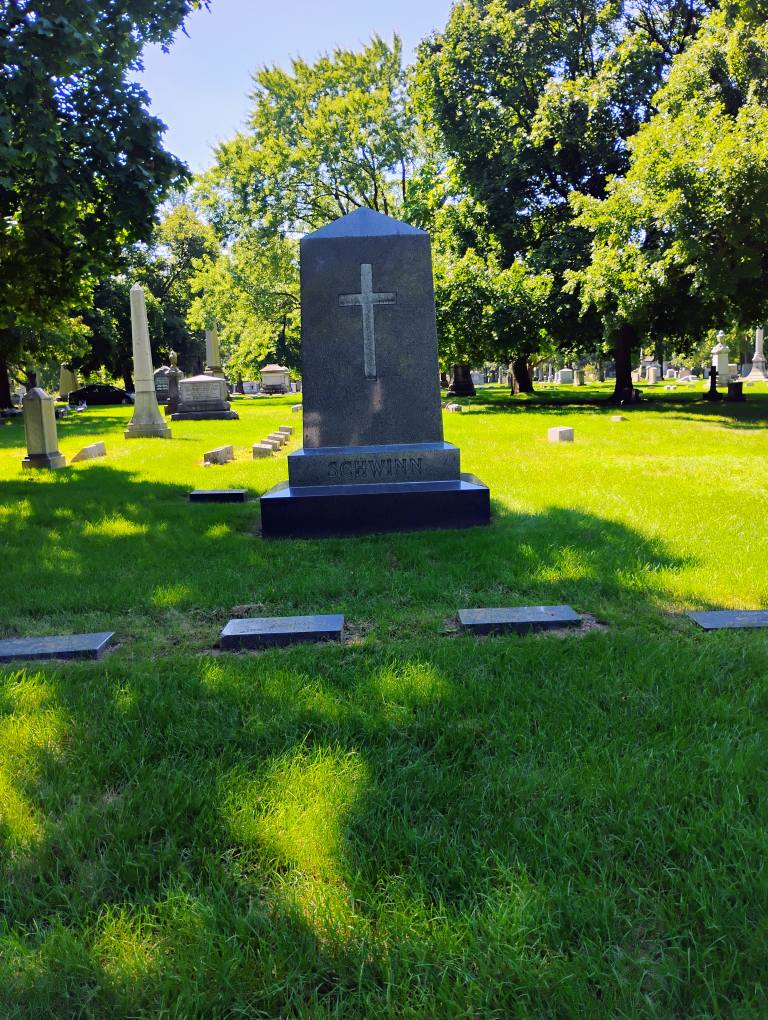
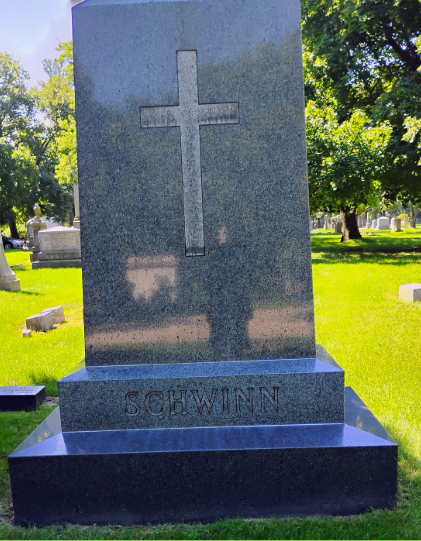
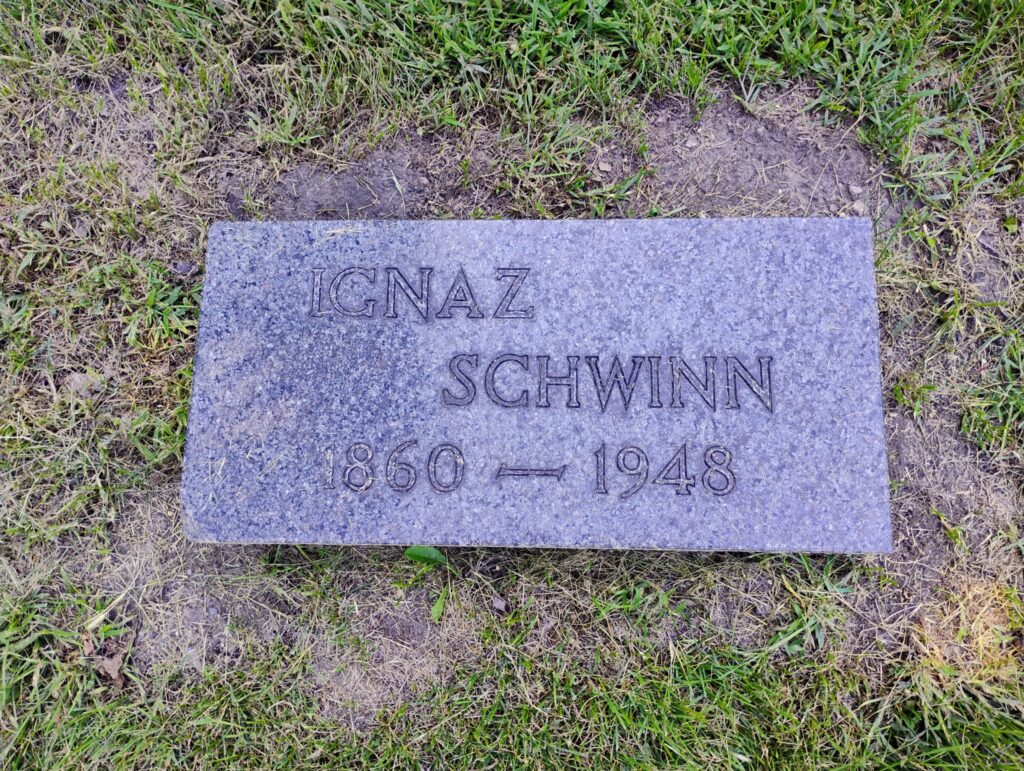
Ignaz Schwinn (April 1, 1860 – August 31, 1948) was a German-American bicycle designer, who co-founded, and eventually owned, the Schwinn Bicycle Company.
He was born in the town of Hardheim, Grand Duchy of Baden, in 1860. In his early years, he completed a mechanical apprenticeship, then he became an itinerant bicycle repairman. Schwinn reportedly had a dispute with an early partner in Germany over brake designs and sought his fortune abroad. He arrived in Chicago in 1891 and, by 1895 had teamed with German immigrant Adolph Arnold to found Arnold, Schwinn, and Company. In 1908, Schwinn bought Arnold’s interest, becoming sole owner. Ignaz Schwinn maintained the original company name and ran operations through World War II. After this his son Frank succeeded him, the name was changed to the Schwinn Bicycle Company, and the corporation grew to have a nationwide market.
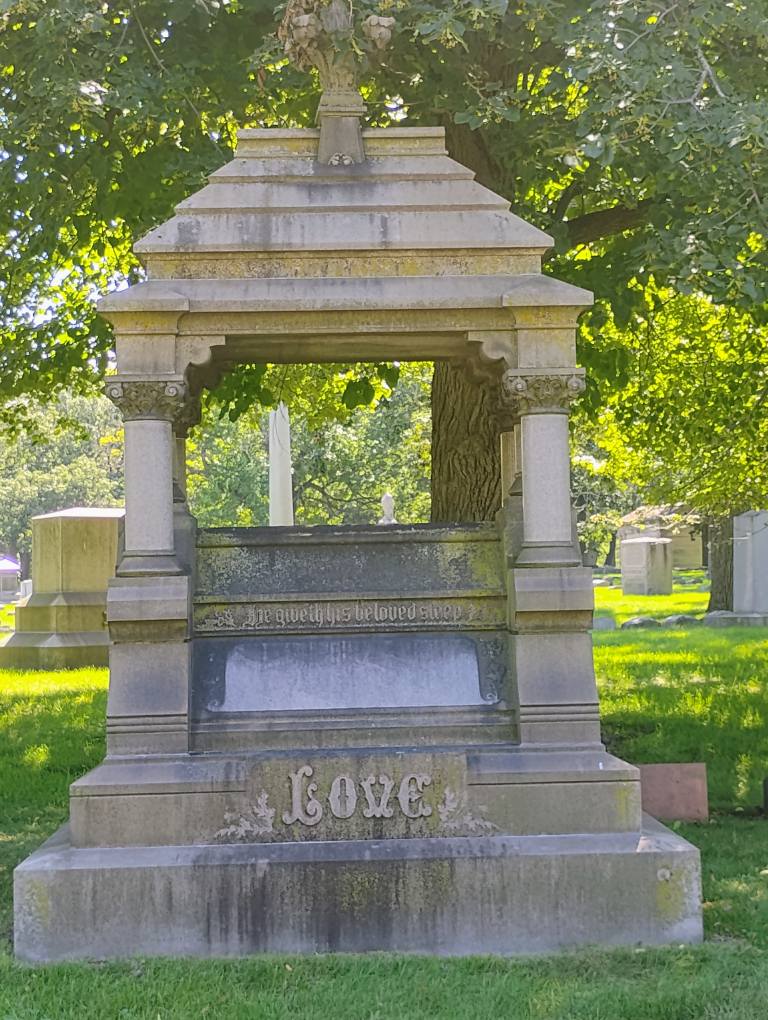
Ignaz Schwinn died of a stroke in Chicago on August 31, 1948, and was buried at Rosehill Cemetery.
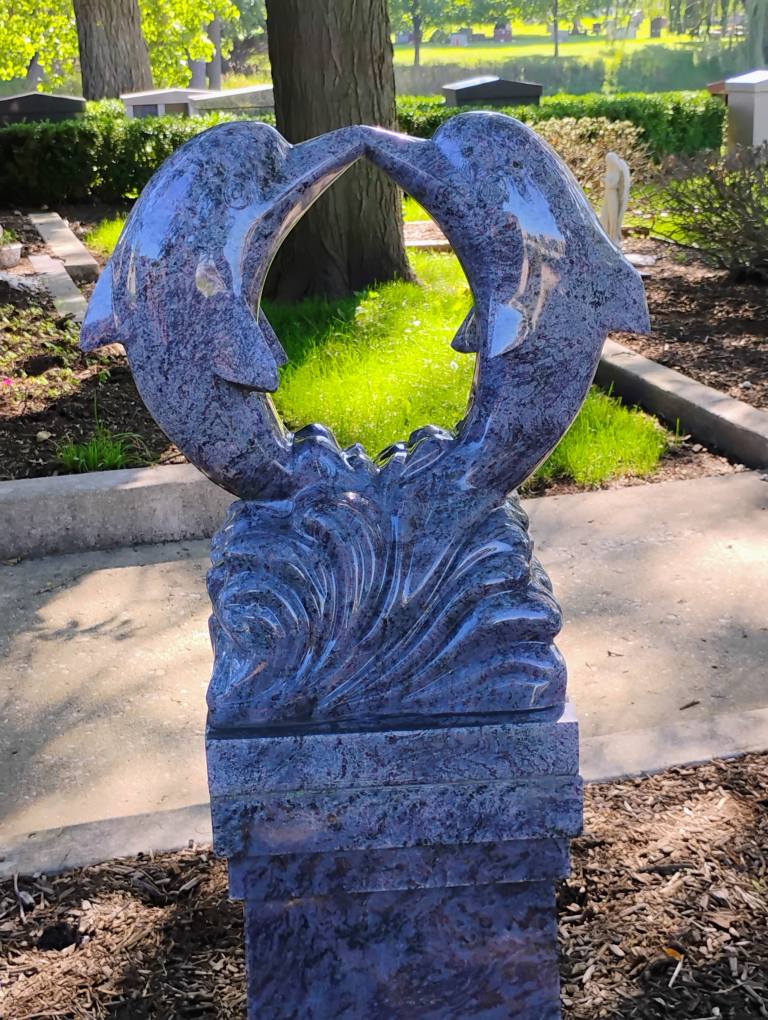
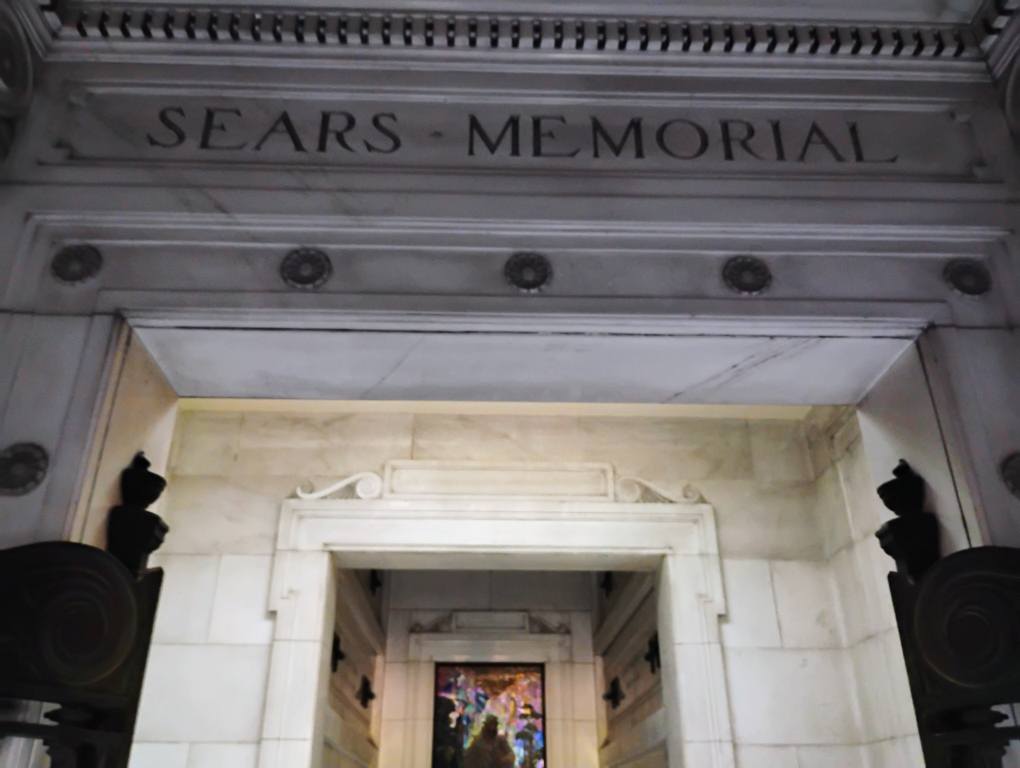
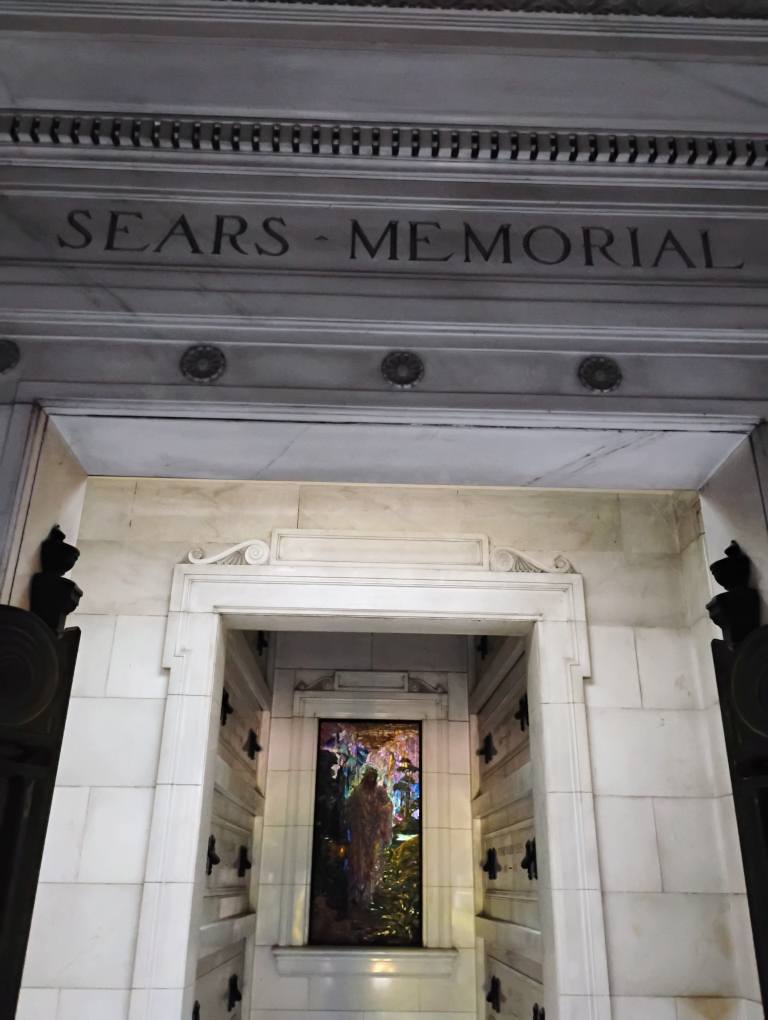
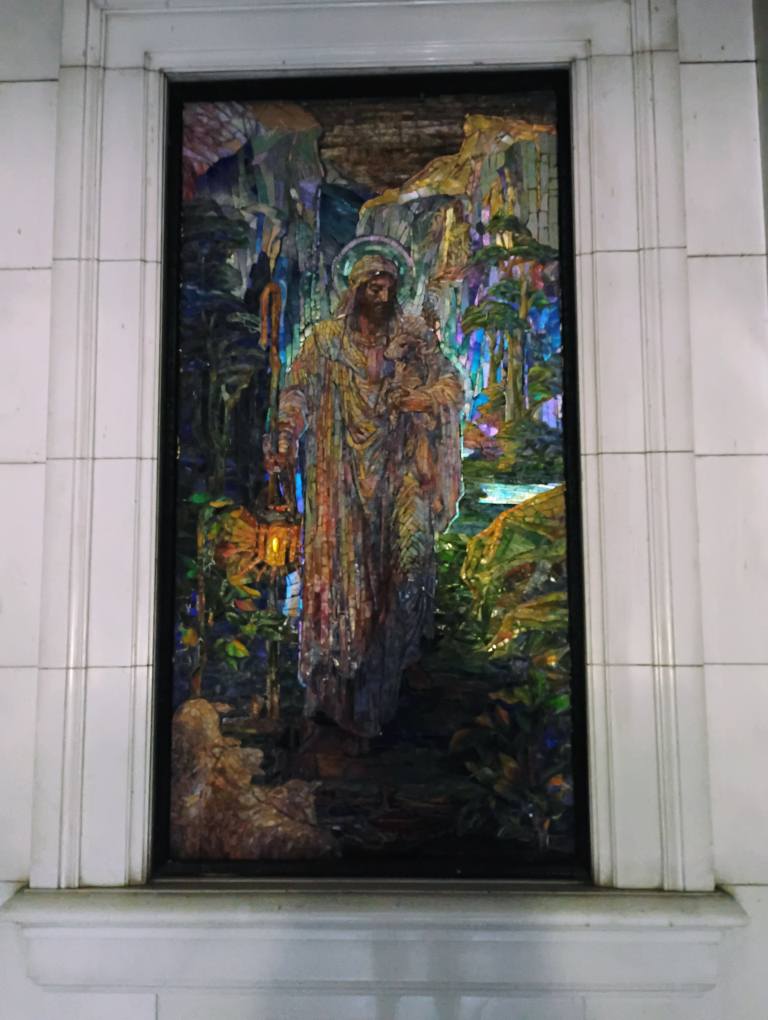
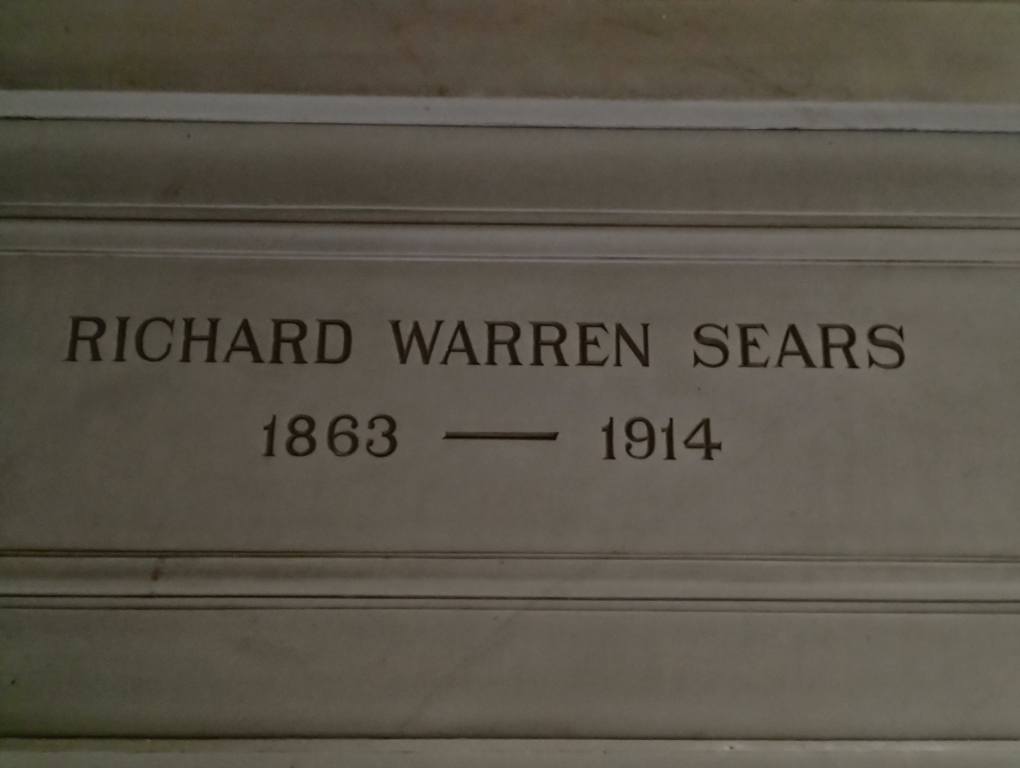
Richard Warren Sears (December 7, 1863 – September 28, 1914) was an American businessman who co-founded the department store Sears, Roebuck and Company with his partner Alvah Curtis Roebuck
The first Sears catalog was published in 1893 and offered only watches. By 1897, items such as men’s and ladies clothing, plows, silverware, bicycles and athletic equipment had been added to the offering.
The 500-page catalog was sent to some 300,000 homes. Sears catered to the rural customer because, having been raised on a farm, he knew what the rural customer needed. He also had experience working with the railroad and he knew how to ship merchandise to remote areas.
In 1908 Sears made another move forward and began to sell mail order homes through the catalogs.
In 1908 Sears retired and moved from Oak Park to Lake Bluff, Illinois, suffering from failing health due to alcoholism. Six years later, he died in Waukesha, Wisconsin, of Bright’s disease
Burial Rosehill Cemetery Chicago, Cook County, Illinois
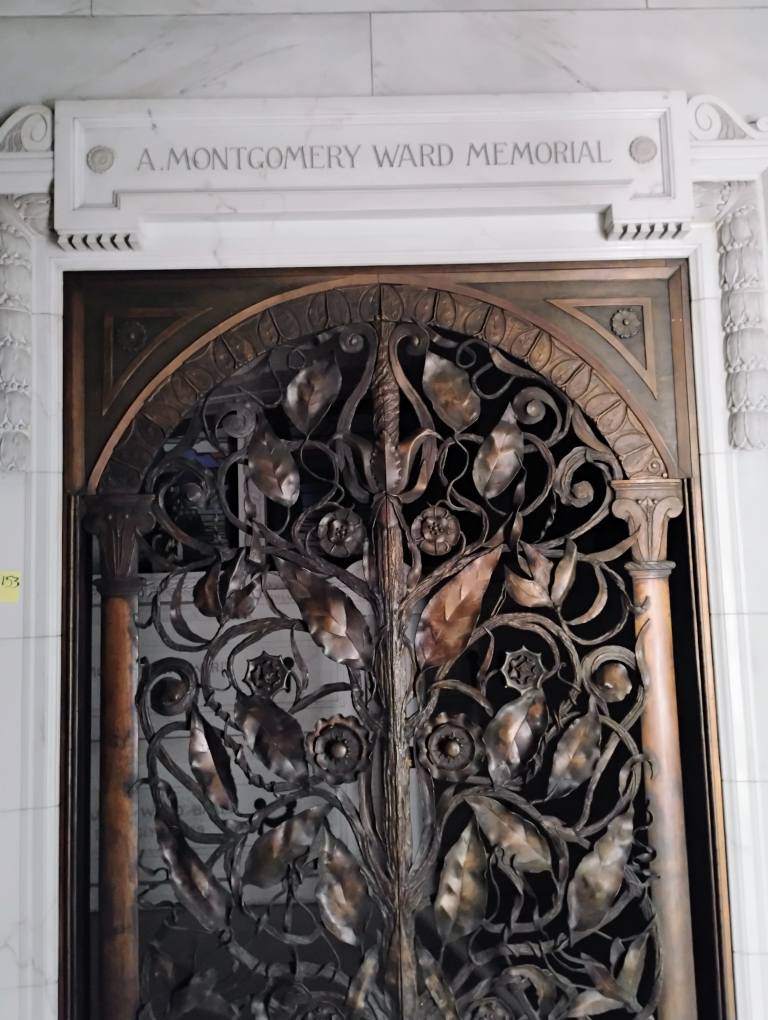
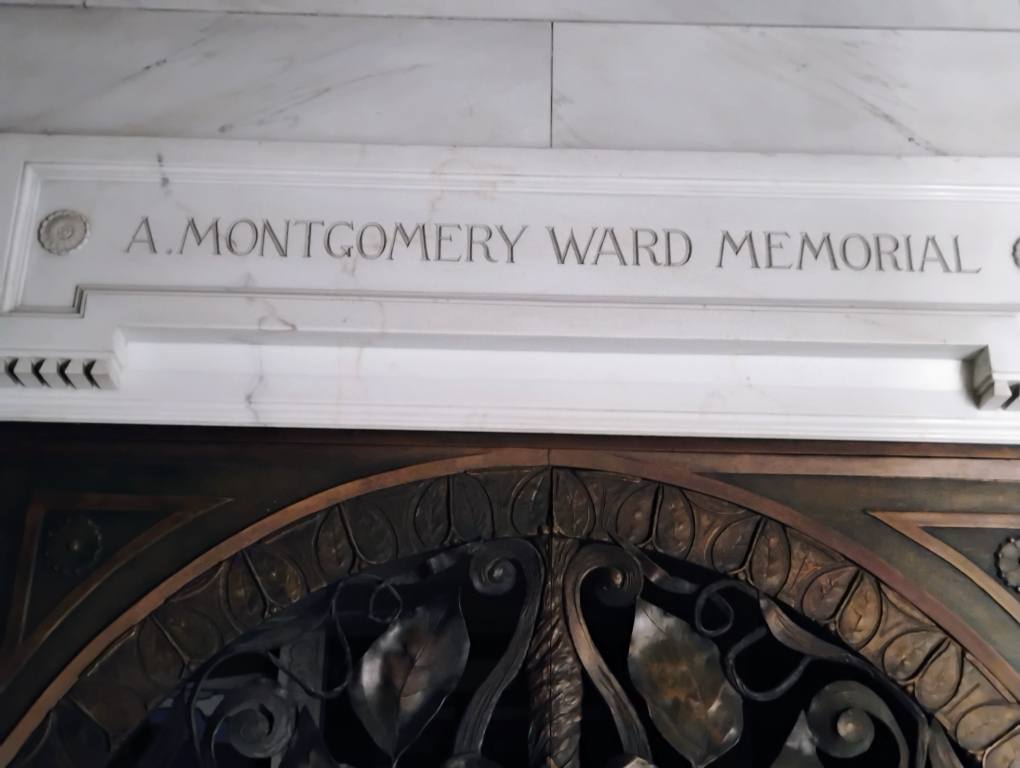
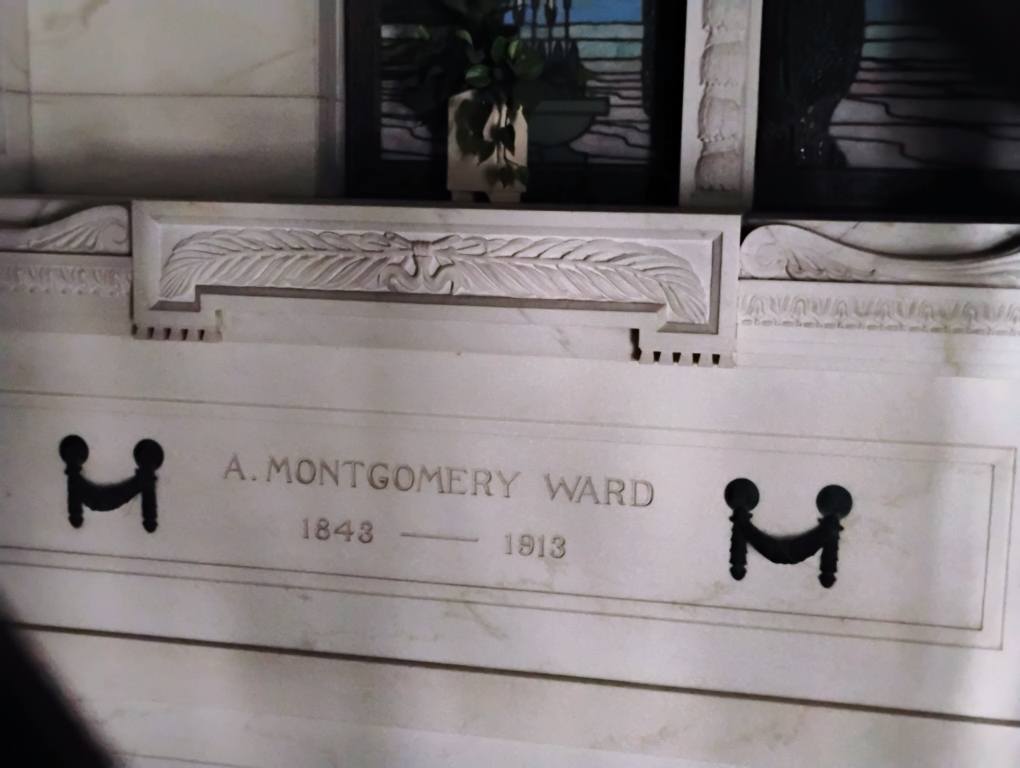
Aaron Montgomery Ward (February 17, 1843 – December 7, 1913) was an American entrepreneur based in Chicago who made his fortune through the use of mail order for retail sales of general merchandise to rural customers. In 1872 he founded Montgomery Ward & Company, which became nationally known.
Ward, a young traveling salesman of dry goods, was concerned over the plight of many rural Midwest Americans who were, he thought, being overcharged and under-served by many of the small town retailers on whom they had to rely for their general merchandise. He opened his first mail-order house in 1872. By heavy use of the railroads centered on Chicago, and by associating his business with the non-profit Patrons of Husbandry (the Grangers), Ward offered rural customers a far larger stock than generally available in small towns and at a lower price. Unlike local country merchants, Ward offered no bargaining and no credit. His free catalog, printed by the most modern methods, was widely mailed to customers, allowing them to see pictures of consumer goods and imagine how they might be used. Later, Ward used the Post Office’s Rural Free Delivery service; he lobbied for a parcel post system that came about in 1906. The early 20th century was the heyday of mail orders and Ward’s had become an American tradition, along with its rival Sears Roebuck.
Ward continues to be honored as the protector of Grant Park in Chicago, Illinois.
Montgomery Ward died in Highland Park on December 7, 1913, aged 70, and was interred at Rosehill Mausoleum in Rosehill Cemetery.